
Not so long ago, bookkeeping meant spreadsheets, box files and a return visit to the accountant every few months to hand over a carrier bag of receipts. That approach is quickly becoming a thing of the past.
Cloud accounting has changed how small businesses manage their finances and the shift shows no sign of slowing down. It is not just a different way of storing the same information. It genuinely changes how business owners interact with their numbers and how much value they can get from them day to day.
Here is what cloud accounting means and why so many small businesses are making the switch.
What cloud accounting means
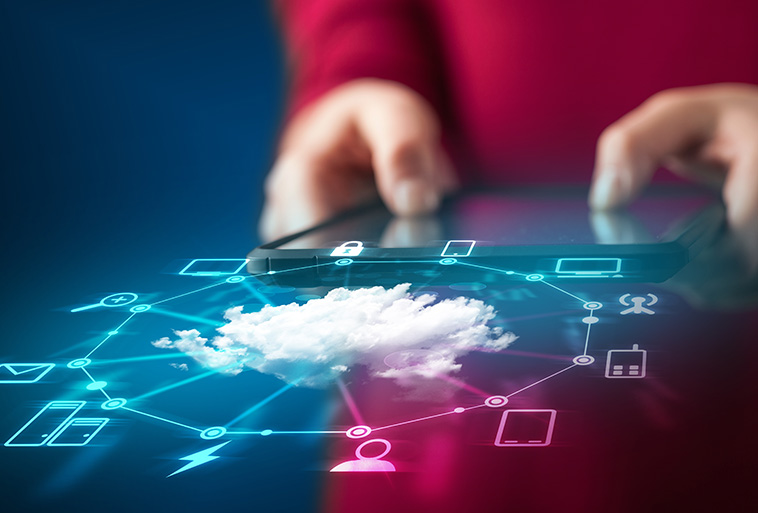
Cloud accounting simply means your accounting software runs online rather than being installed on a single computer. Instead of data sitting in a file on one machine, it is stored securely on remote servers and accessed through the internet, usually via a web browser or an app.
In practice, this means:
- You can access your accounts from any device with an internet connection, not just the computer the software was installed on
- Data is updated in real time, rather than only when someone manually saves and shares a file
- Bank feeds can connect directly to your accounting software, pulling through transactions automatically
- Your accountant can log in and view the same up-to-date information you can see, without needing files sent back and forth
- Updates and security patches happen automatically in the background
Rather than accounting being something you sit down and do periodically, cloud accounting turns it into something that is simply always current, in the background, without much manual effort.
Benefits for small businesses
The shift to the cloud brings several practical advantages, particularly for small and growing businesses that need to keep on top of their finances without it becoming a full-time job.
- Automation – much of the manual data entry that used to eat up hours each month can now happen automatically. Bank transactions feed straight into the software, invoices can be set to recur automatically and rules can be created to categorise regular transactions without anyone needing to do it by hand. This does not just save time, it also reduces the number of errors that come from manual entry.
- Real-time reporting – because the information is always up to date, reports reflect the current position rather than a snapshot from weeks or months ago. This means you can check your cash position, see outstanding invoices or review profitability at any point, rather than waiting for a set reporting date. Decisions get easier to make when they are based on what is happening right now, rather than what was happening last quarter.
- Collaboration – cloud accounting makes it far easier for everyone who needs access to your numbers to have it. Your accountant can log in and see exactly what you see, without waiting for files to be emailed over. If you have a bookkeeper, a business partner or a finance team, everyone can work from the same live data at the same time, rather than juggling different versions of the same spreadsheet.
Beyond these three, cloud accounting also tends to make everyday tasks simpler. Invoices can be created and sent from a phone. Receipts can be photographed and attached to a transaction on the spot rather than kept in a drawer for months. VAT returns can be submitted directly from the software, in line with Making Tax Digital requirements.
For a lot of small business owners, the real benefit is not any single feature, it is the shift from occasionally checking in on the finances to always having a clear, current view of them. That shift alone tends to lead to better and earlier decisions, simply because the information needed to make them is always close at hand.
If you are still working from spreadsheets or desktop software and want to know what moving to the cloud could look like for your business, we would love to help. Call us on 01173 700 079 or drop us an email at hello@steppingstonesaccountancy.co.uk and we can talk through what would work best for you.